Understanding Fabric Weights: A Complete Guide for Fashion Brands
Learn about GSM, ounces, and how to choose the right fabric weight for your garments. Essential knowledge for clothing brands working with manufacturers.
 Pedro Carreira··2 min read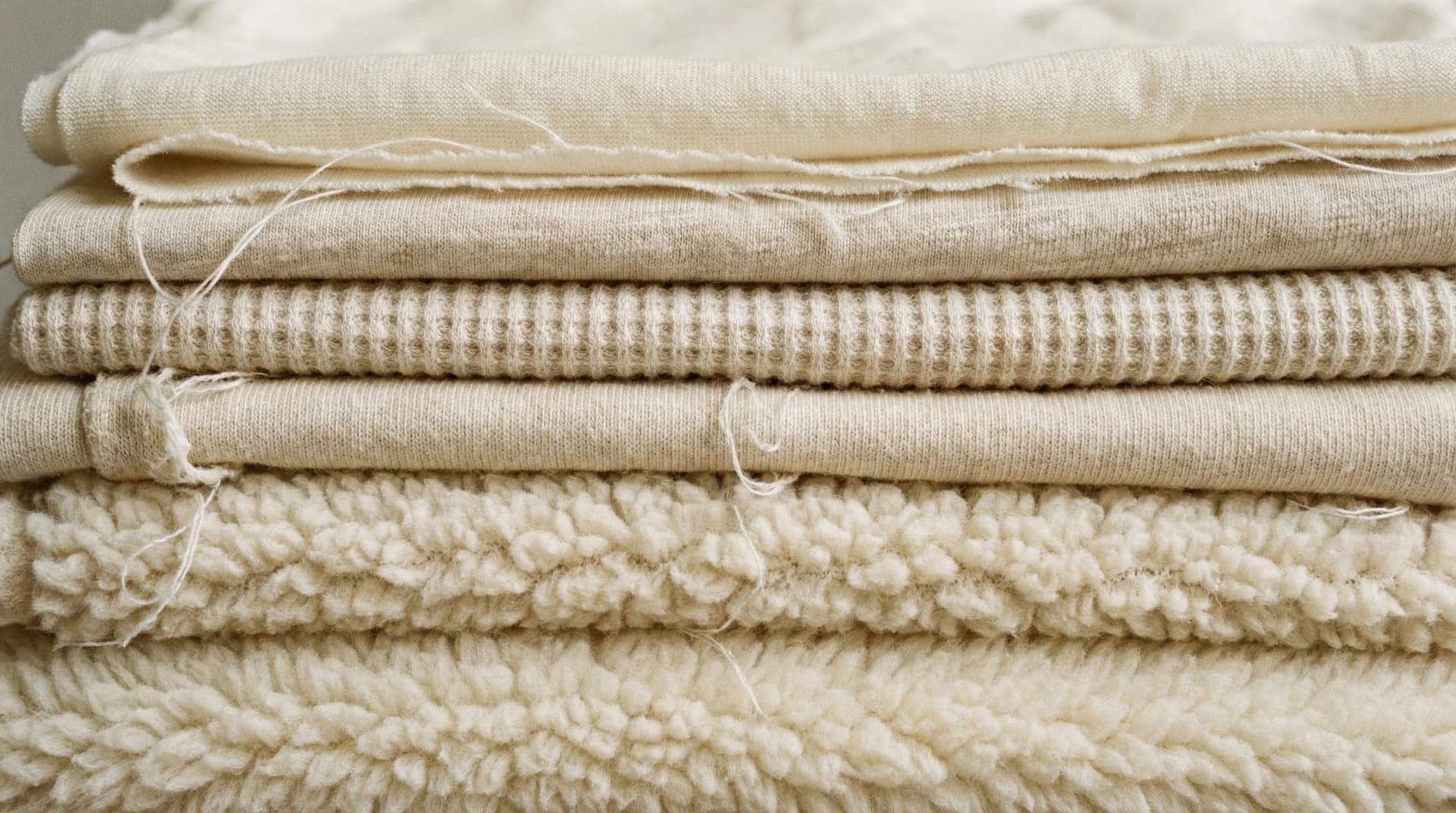
What Is Fabric Weight?
Fabric weight refers to the density and thickness of a textile, and it is one of the most important factors when developing a garment. It affects how a piece drapes, how warm it feels, how durable it is, and ultimately how your customer perceives its quality.
There are two standard ways to measure fabric weight: GSM (grams per square metre) and oz/yd² (ounces per square yard). In European manufacturing, GSM is the standard.
GSM Explained
GSM stands for grams per square metre. A 10cm × 10cm fabric sample is weighed, and the result is multiplied to calculate the weight per square metre.
- —100–150gsm — Lightweight. Think summer t-shirts, blouses, and linings.
- —150–200gsm — Medium weight. Standard t-shirts, casual shirts, and everyday wear.
- —200–300gsm — Mid-heavy. Substantial tees, light sweatshirts, and structured pieces.
- —300–400gsm — Heavyweight. Premium hoodies, sweatshirts, and winter knitwear.
- —400gsm+ — Ultra-heavy. Luxury streetwear hoodies, heavy fleece, and outerwear.
Choosing the Right Weight
The ideal fabric weight depends on your product and your brand's positioning:
Ready to manufacture your collection?
Factory-direct from Barcelos, Portugal. MOQ 50 units per style, colour and size.
Request a QuoteNo commitment · No obligation
For t-shirts:
A 160gsm tee feels basic and promotional. A 180–200gsm tee feels substantial and retail-ready. A 220gsm+ tee enters premium territory — think heavyweight blanks.
For hoodies:
Below 280gsm feels thin. 300–350gsm is the standard for quality retail hoodies. 380–420gsm is where luxury and streetwear brands operate — this is what gives a hoodie that premium, substantial hand-feel.
For shirts:
Oxford and poplin fabrics typically range from 100–160gsm. Heavier oxford (140gsm+) gives a more structured, substantial feel.
How Weight Affects Cost
Heavier fabrics use more raw material per metre, so they cost more. A 400gsm organic cotton fleece will cost significantly more per metre than a 180gsm jersey. However, the perceived value increase for the end consumer is often disproportionately high — a heavyweight hoodie commands a much higher retail price than a lightweight one.
What We Offer
At White Cotton, we work with fabric weights ranging from 150gsm lightweight jersey to 420gsm heavy fleece. Our most popular weights for hoodies are 360–400gsm, and for t-shirts, 180–220gsm.
We can provide fabric swatches at any weight so you can feel the quality before committing to production. Our minimum order starts at 50 units per style.

Pedro Carreira
Founder of White Cotton, a textile manufacturer in Barcelos, Portugal. Producing custom clothing collections for brands across 15+ countries.
Continue Reading
Cotton vs Polyester: Which Fabric Is Right for Your Clothing Brand?

Garment Dyeing vs Piece Dyeing: Pros, Cons & When to Use Each
French Terry vs Fleece: Which Fabric for Your Hoodies & Sweatshirts?
Sweatshirt Production: Fabrics, Construction & What to Ask Your Factory

How Much Does It Cost to Start a Clothing Brand in 2026? Real Numbers
Start your collection today
Factory-direct from Barcelos, Portugal. MOQ 50 units. Get a free quote.
Request a Quote← Previous
Sustainable Fashion Manufacturing: A Practical Guide for Brands
Next →
How to Start a Clothing Brand in 2026 (Step-by-Step)
Ready to start manufacturing?
MOQ 50 pieces · Free quote · Factory-direct from Portugal