Made in Portugal Textiles — Why Brands Are Switching [2026]
Portuguese textile manufacturing is booming. Why brands moved production from Asia to Portugal — real costs, quality, lead times, and the EU advantage.
 Pedro Carreira··4 min read
![Made in Portugal Textiles — Why Brands Are Switching [2026]](/_next/image?url=%2Fimages%2Fgenerated%2Fblog%2Fmade-in-portugal-textile.webp&w=1920&q=75)
The Portuguese Textile Renaissance
Over the past decade, Portugal has emerged as one of the most sought-after garment manufacturing destinations in the world. Brands that once produced exclusively in Asia are increasingly moving production to Portugal — and for good reason.
Portugal is now the third-largest textile and clothing exporter in Europe, behind only Italy and Germany. The industry employs over 130,000 people and generates more than €8 billion in annual revenue.
Why Brands Are Choosing Portugal
1. Quality Craftsmanship
Portugal has been producing textiles for centuries. The northern region — particularly the Barcelos, Guimarães, and Porto corridor — has one of the highest concentrations of textile factories in Europe. This heritage means a deep pool of skilled workers who understand fabric, construction, and finishing at a level that takes generations to develop.
The difference shows in the details: cleaner stitching, better fabric handling, more consistent quality control. For a curated overview of the industry, see our guide to the top clothing manufacturers in Portugal.
2. Short Supply Chains
Producing in Portugal instead of Asia dramatically shortens your supply chain:
- —Lead times: 4–8 weeks versus 12–20 weeks for Asian production
- —Shipping: 2–5 days within Europe versus 4–6 weeks from Asia
- —Communication: Same timezone, no language barriers for European brands
- —Sampling: Ship samples in days, not weeks
For fast-moving fashion brands, this proximity is a massive competitive advantage.
Ready to manufacture your collection?
Factory-direct from Barcelos, Portugal. MOQ 50 units per style, colour and size.
Request a QuoteNo commitment · No obligation
3. Sustainability
European production means compliance with the EU's strict environmental regulations. Portuguese factories operate under European labor laws, environmental standards, and waste management requirements.
The carbon footprint of a garment made in Portugal and sold in Europe is a fraction of one made in Asia. No container ships crossing oceans, no air freight for urgent orders.
4. Lower Minimum Orders
Asian factories typically require minimum orders of 500–5,000 units per style. Portuguese factories — particularly family-run operations like White Cotton — work with much lower minimums, often starting at 50 units per style.
This makes Portuguese manufacturing accessible to emerging brands, small-batch producers, and brands testing new products. Read more about how MOQs work in garment production.
5. Transparency
When your factory is a 2-hour flight away instead of a 12-hour one, visiting becomes practical. Many brands working with Portuguese factories visit regularly, building genuine relationships with the people making their products. This transparency builds trust and ensures accountability.
The Cost Reality
Portuguese manufacturing is more expensive per unit than Asian alternatives. A hoodie that costs €8 to produce in Bangladesh might cost €15–25 to produce in Portugal. However:
- —Quality is consistently higher, reducing returns and complaints
- —Smaller minimum orders reduce inventory risk
- —Faster lead times improve cash flow
- —"Made in Portugal" or "Made in Europe" adds perceived value
- —Supply chain disruptions are less likely
For premium and mid-market brands, the total cost of ownership is often lower with Portuguese production. For a detailed breakdown, see our guide on clothing production costs. You can also compare Portugal to other manufacturing destinations in our country-by-country comparison.
The Barcelos Advantage
Our factory is in Barcelos, in the heart of Portugal's textile region. Within a 30-kilometre radius, you will find fabric mills, dyeing facilities, embroidery specialists, and printing houses. This concentration means we can source, produce, and finish everything locally — keeping lead times short and quality consistent.
Our family has been operating in this ecosystem since the late 1980s. We know the suppliers, we know the craftspeople, and we know how to deliver quality garments on time. Explore our clothing manufacturing in Portugal, learn about our factory, or get started with your first production run.

Pedro Carreira
Founder of White Cotton, a textile manufacturer in Barcelos, Portugal. Producing custom clothing collections for brands across 15+ countries.
Continue Reading
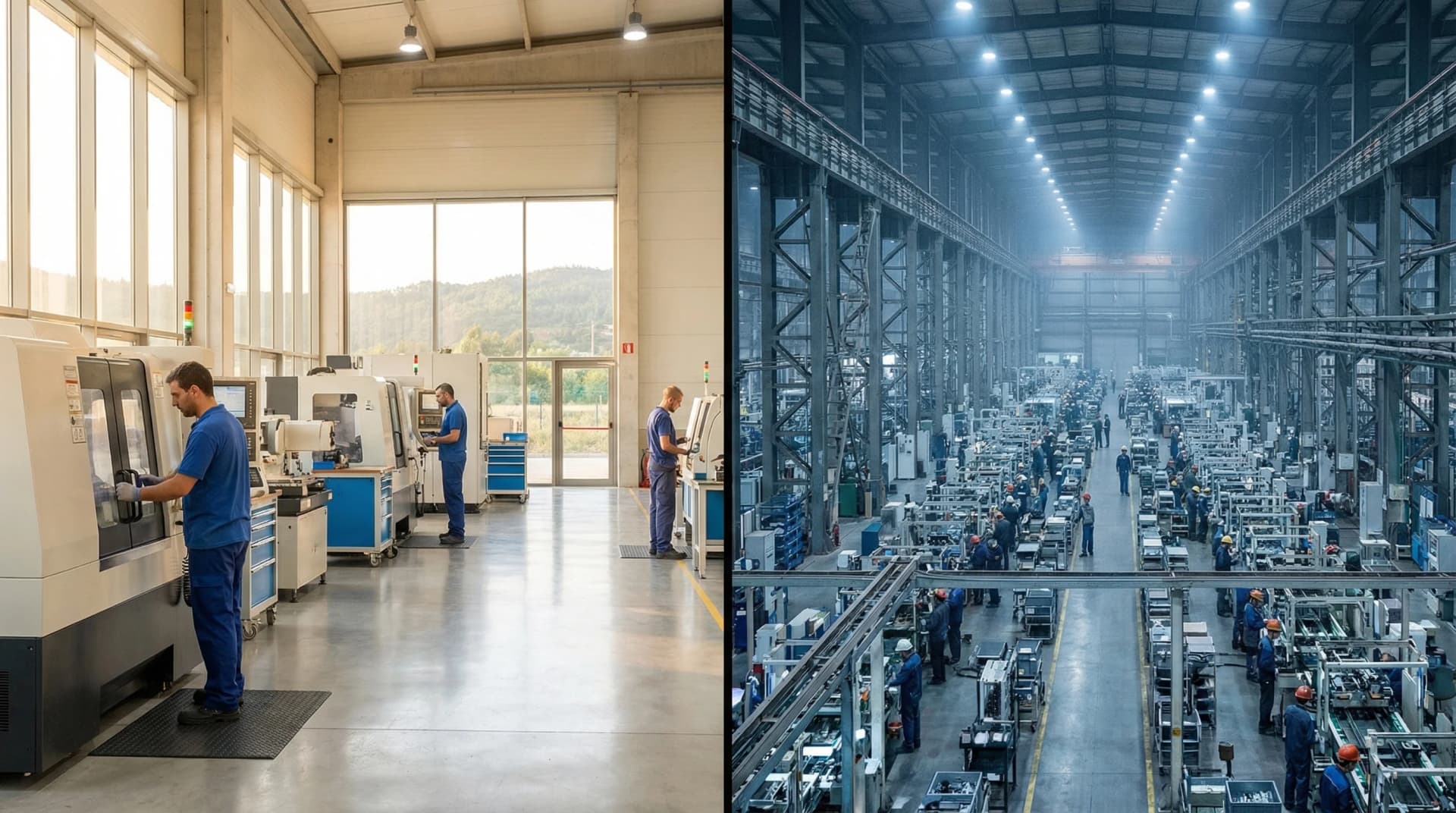
Top Clothing Manufacturers in Portugal — 15 Ranked (2026)
![Barcelos Textile Industry — Portugal's Factory Capital [Inside Look]](/_next/image?url=%2Fimages%2Fgenerated%2Fblog%2Fbarcelos-textile-industry.webp&w=1920&q=75)
Barcelos Textile Industry — Portugal's Factory Capital [Inside Look]
![Nearshoring Fashion to Europe: Why Brands Are Leaving China for Portugal [2026]](/_next/image?url=%2Fimages%2Fgenerated%2Fblog%2Fnearshoring-fashion-europe.webp&w=1920&q=75)
Nearshoring Fashion to Europe: Why Brands Are Leaving China for Portugal [2026]
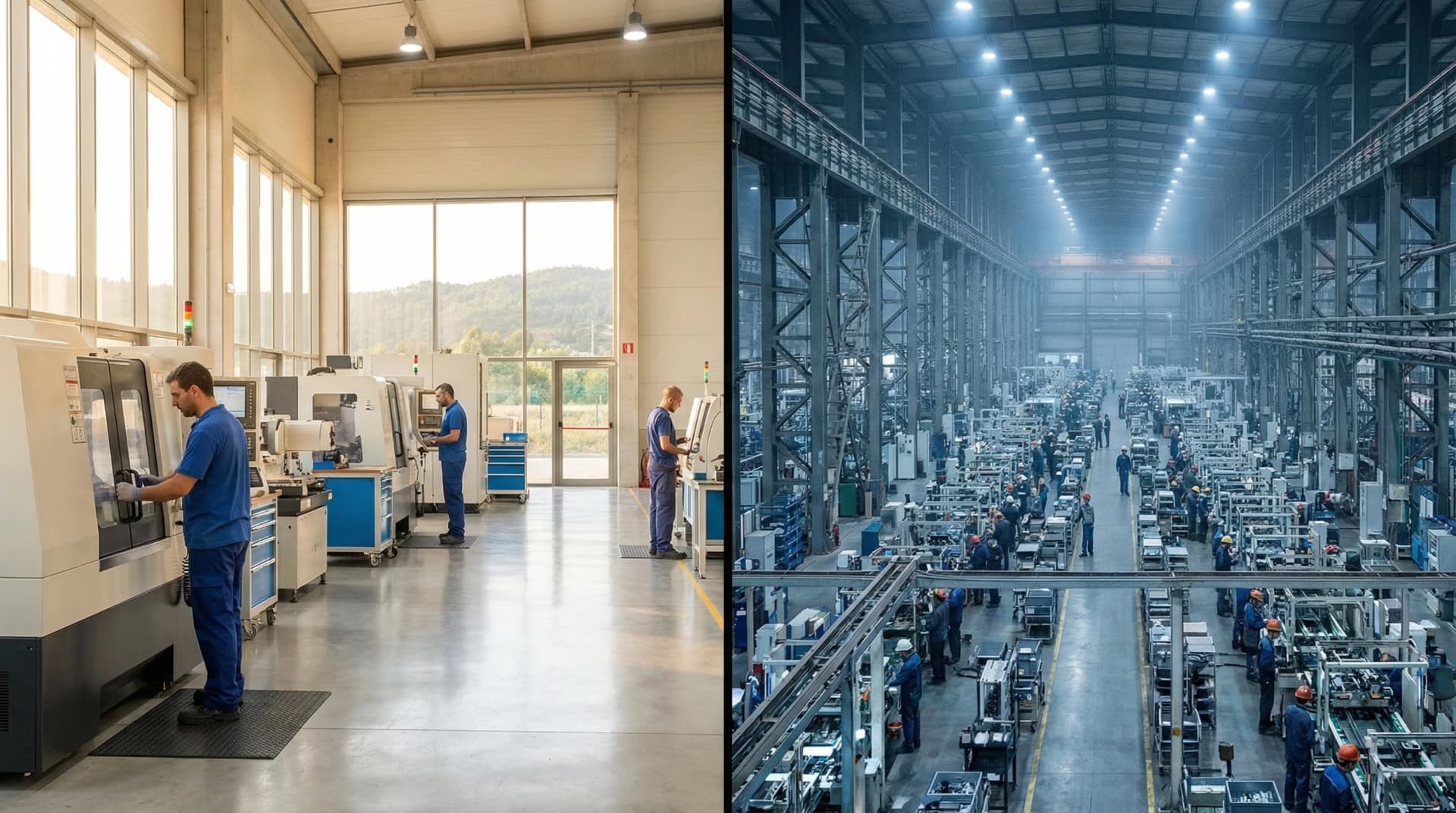
Portugal vs China: Why Brands Are Moving Production to Europe
![How to Find a Clothing Manufacturer in Portugal: A Factory Owner's Honest Guide [2026]](/_next/image?url=%2Fimages%2Fgenerated%2Fblog%2Fhow-to-find-clothing-manufacturer-portugal.webp&w=1920&q=75)
How to Find a Clothing Manufacturer in Portugal: A Factory Owner's Honest Guide [2026]
Start your collection today
Factory-direct from Barcelos, Portugal. MOQ 50 units. Get a free quote.
Request a Quote← Previous
MOQ in Clothing Manufacturing: What It Is, Why It Exists & How to Negotiate It Down
Next →
Clothing Labels, Tags, and Packaging: The Details That Build Your Brand
Ready to start manufacturing?
MOQ 50 pieces · Free quote · Factory-direct from Portugal