Portugal vs Turkey: Clothing Manufacturing Costs Compared
Per-unit costs, MOQs, customs duties, shipping and quality compared side by side. Data from a Portuguese factory that lost clients to Turkey — and won them back.
 Pedro Carreira··7 min read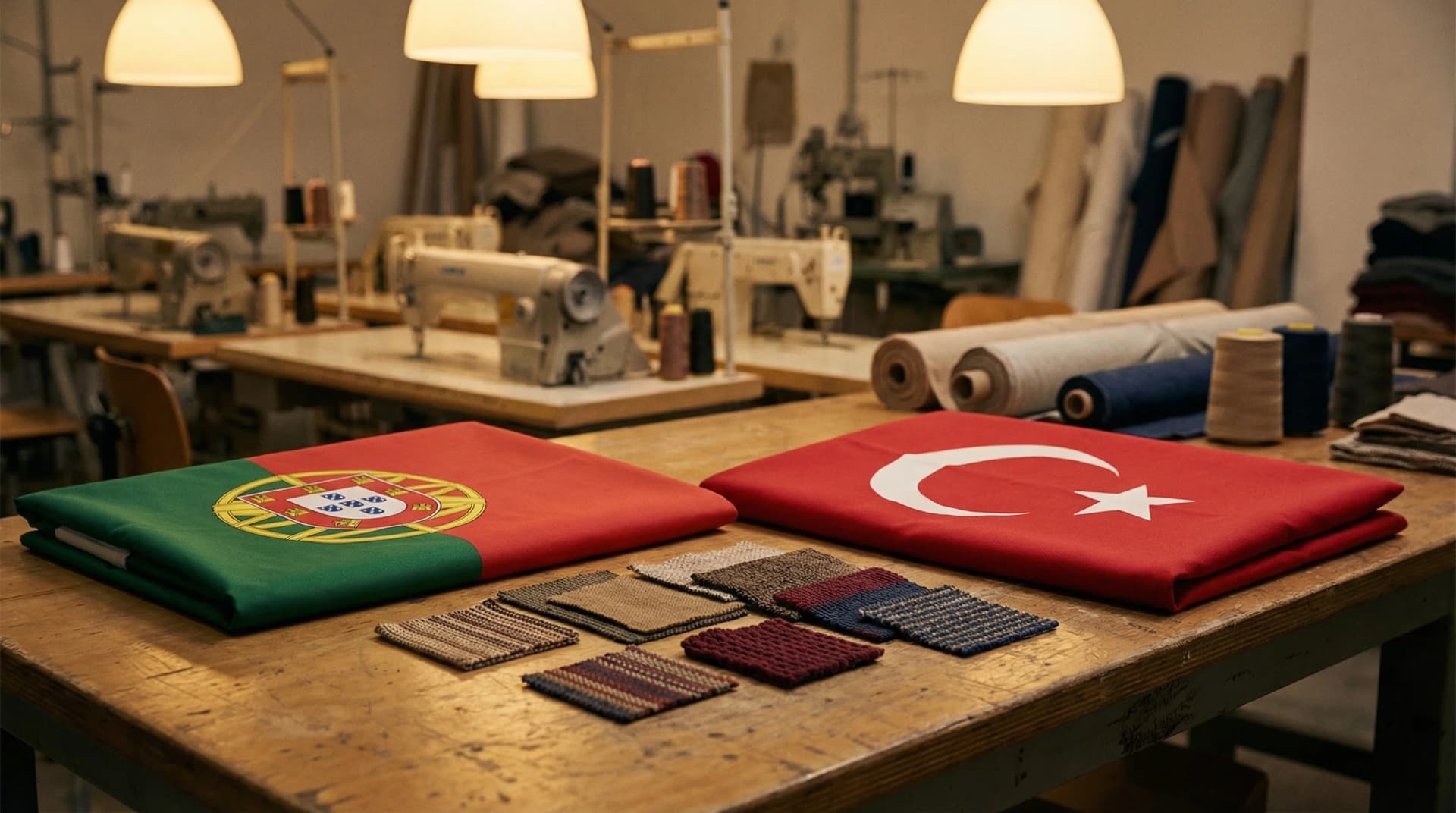
Two European Alternatives to Asia
When brands decide to move production closer to home — away from China, Bangladesh, or Vietnam — two countries dominate the conversation: Portugal and Turkey.
Both are established garment manufacturing hubs. Both offer European-adjacent quality. Both have skilled workforces and decades of textile heritage. But they are not interchangeable. Each country has distinct strengths, and the right choice depends on what your brand needs.
We are a Portuguese factory, so we are transparent about our bias. But we have also worked alongside Turkish-produced garments for years and understand where each country excels. This comparison is based on what we have seen from the factory floor.
Cost Comparison
Labour Costs
Turkey has historically offered lower labour costs than Portugal, though the gap has narrowed significantly in recent years.
- —Portugal: Garment worker wages are regulated under EU labour law. The minimum wage is approximately €870/month (2026), with most skilled operators earning above this
- —Turkey: Labour costs are generally 15–30% lower than Portugal, though this fluctuates with the Turkish lira exchange rate. Currency instability means quoted prices can shift between quotation and production
Fabric Costs
- —Turkey is a major cotton producer and has a strong domestic textile industry. For cotton-based fabrics, Turkish mills often offer competitive pricing because raw materials are locally sourced
- —Portugal imports most raw cotton but has a dense network of European mills (many within the country) for jersey, fleece, terry, and woven fabrics. Portuguese mills tend to specialise in premium and certified fabrics (GOTS organic, OEKO-TEX)
Unit Cost Comparison
For a 350 GSM French Terry hoodie with embroidered chest logo:
| Factor | Portugal | Turkey |
|---|---|---|
| Unit cost (500 pcs) | €15–22 | €12–18 |
| Fabric quality | Premium ring-spun, certified | Good quality, varies by factory |
| Shipping to EU | 2–5 days, no customs | 7–14 days, customs clearance |
| Currency risk | EUR (stable) | TRY (volatile) |
The lower unit cost in Turkey can be offset by higher shipping costs, customs duties (Turkey is not in the EU), and the risk of currency fluctuation affecting final pricing.
Quality
Portugal
Portuguese factories have a reputation for premium quality, particularly in knitwear, jersey, and fleece garments. The quality culture is built on:
- —Generations of textile expertise (the northern corridor has been producing textiles since the 19th century)
- —EU manufacturing standards and labour regulations
- —Close relationships between factories and European mills
- —Smaller factory sizes that maintain artisanal attention to detail
Portugal excels at: heavyweight premium basics, hoodies and sweatshirts, contemporary fashion, small-batch luxury production.
Turkey
Turkey is the larger manufacturing country by volume and excels in different areas:
- —Strong in woven fabrics (shirts, denim, outerwear)
- —Large-scale production capacity
- —Competitive in denim manufacturing (one of the world's largest denim producers)
- —Good quality at mid-market price points
Turkey excels at: denim, woven shirts, outerwear, uniform and workwear, higher-volume production runs.
Ready to manufacture your collection?
Factory-direct from Barcelos, Portugal. MOQ 50 units per style, colour and size.
Request a QuoteNo commitment · No obligation
The Honest Assessment
For knitwear (t-shirts, hoodies, sweatshirts, joggers), Portugal generally produces a superior product. For denim and woven garments, Turkey is often the better choice. For outerwear, both countries are competitive.
Minimum Order Quantities
- —Portugal: Family-run factories like ours offer MOQs as low as 50–100 pieces per style per colour. The smaller factory infrastructure makes low MOQs feasible
- —Turkey: MOQs tend to be higher — typically 200–500 pieces per style per colour for quality factories. Smaller MOQs are available but often from less established operations
For startups and emerging brands, Portugal's lower MOQs are a significant advantage. Read more about understanding MOQs.
Lead Times
- —Portugal: Samples in 7–10 days, production in 3–5 weeks. Shipping within Europe in 2–5 days (ground or express)
- —Turkey: Samples in 10–14 days, production in 4–6 weeks. Shipping to Europe in 7–14 days, plus customs clearance time
The Customs Factor
Portugal is an EU member state. Goods produced in Portugal move freely within the EU with no customs duties, no import paperwork, and no border delays.
Turkey has a customs union with the EU for most industrial goods, but garments still require customs declarations and are subject to inspection. This adds time and occasional unpredictability to delivery schedules.
For brands selling within Europe, the logistics advantage of Portuguese production is substantial — particularly for brands that need fast restock cycles.
Sustainability and Certifications
Portugal
- —Full compliance with EU environmental and labour regulations
- —GOTS, OEKO-TEX, GRS, and BCI certifications widely available
- —EU Ecolabel applicable
- —Strict waste management and water treatment standards (EU-mandated)
- —Carbon footprint advantage for European brands (no ocean shipping)
- —Renewable energy adoption growing rapidly across Portuguese mills and factories
Turkey
- —Environmental and labour standards are improving but are not subject to EU enforcement
- —Major certifications (GOTS, OEKO-TEX) are available but less universally adopted
- —Water usage in textile production is a growing concern, particularly in denim
- —Supply chain transparency can be more challenging to verify
For brands whose customers care about sustainability — and that is an increasing majority — Portuguese production offers stronger, more verifiable credentials. Read our guide on sustainable fashion manufacturing.
Communication and Relationship
Portugal
- —European business culture — direct, professional, reliable
- —English widely spoken in the textile industry
- —Same timezone as the UK, 1 hour behind Central Europe
- —Factory visits are easy — fly to Porto, 40-minute drive to the textile corridor
- —Small factory sizes mean you work directly with decision-makers and production managers
Turkey
- —Business culture is relationship-oriented — personal relationships matter
- —English widely spoken in the export-oriented textile sector
- —1–2 hours ahead of Central Europe
- —Factory visits require more planning — Istanbul is accessible, but many factories are in Anatolia
- —Larger factories may have dedicated export managers, adding a layer between you and production
When to Choose Portugal
- —Your brand positions itself as premium, sustainable, or European-made
- —You need low MOQs (under 200 pieces per style)
- —You are producing knitwear: hoodies, sweatshirts, t-shirts, joggers
- —You sell primarily within the EU and need fast, duty-free delivery
- —You value direct factory relationships and transparency
- —You need fast turnaround times and frequent reorders
- —Your customers care about sustainability credentials
When to Choose Turkey
- —You need competitive pricing at higher volumes (500+ pieces per style)
- —You are producing denim, woven shirts, or outerwear
- —Your volumes are large enough to benefit from Turkey's production capacity
- —You are selling outside the EU (where the customs advantage is less relevant)
- —You need a broader range of fabric development capabilities (particularly denim and technical fabrics)
Our Perspective
We are a Portuguese factory, and we believe Portuguese manufacturing offers the best value for brands that prioritise quality, sustainability, and direct relationships. That said, we respect the Turkish textile industry and acknowledge that for certain product categories and volumes, Turkey is a strong choice.
The right country depends on your brand, your product, and your market. If you are producing premium knitwear and selling in Europe, we would be glad to talk. If denim is your focus, a Turkish partner may serve you better — and we will tell you that honestly.
For a broader comparison including Asian manufacturing, read our guide on choosing a manufacturing country. Learn more about our Portuguese clothing factory, or explore sustainable fashion manufacturing, garment certifications, and our breakdown of clothing production costs.

Pedro Carreira
Founder of White Cotton, a textile manufacturer in Barcelos, Portugal. Producing custom clothing collections for brands across 15+ countries.
Continue Reading
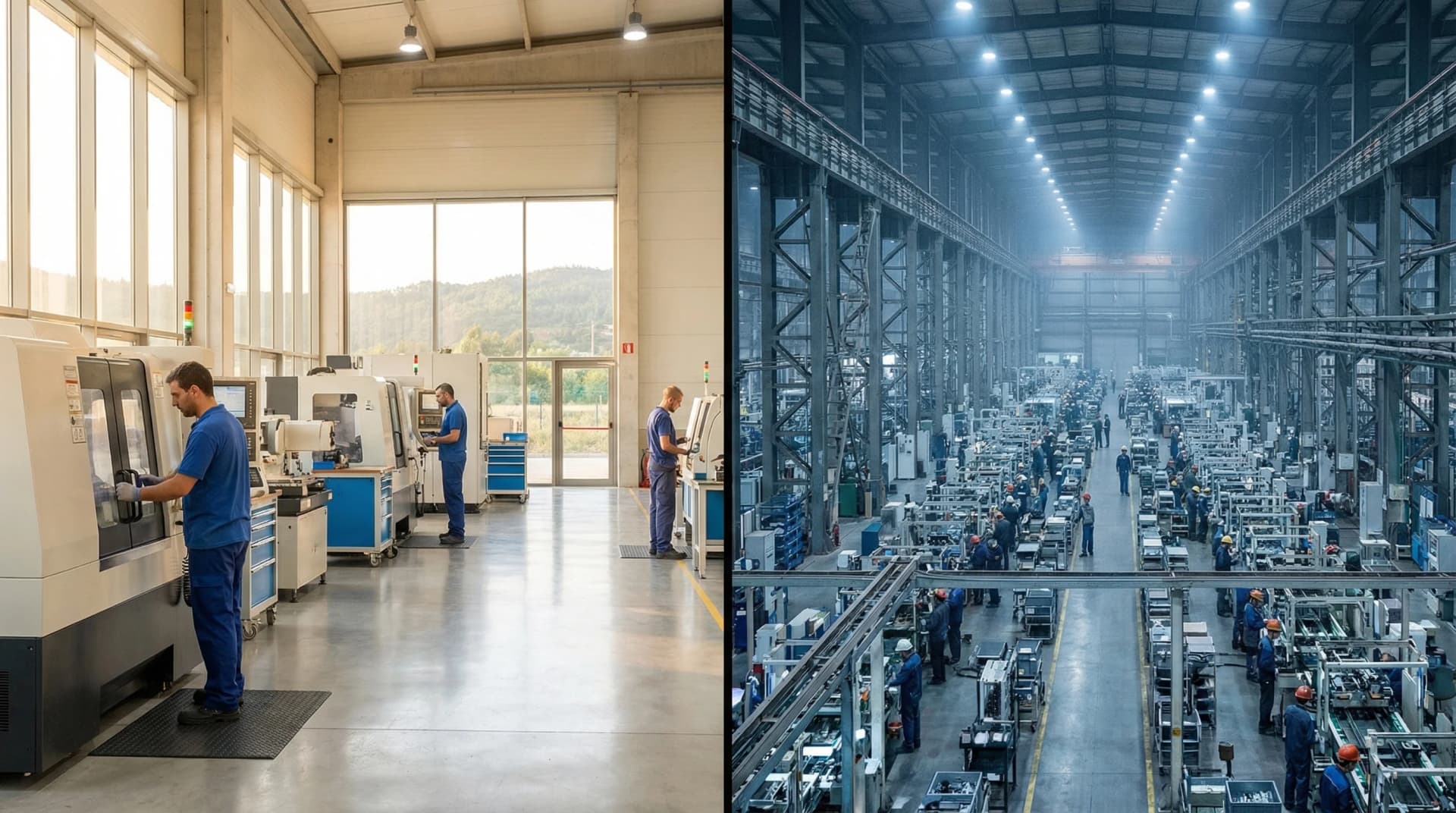
Top Clothing Manufacturers in Portugal — 15 Ranked (2026)
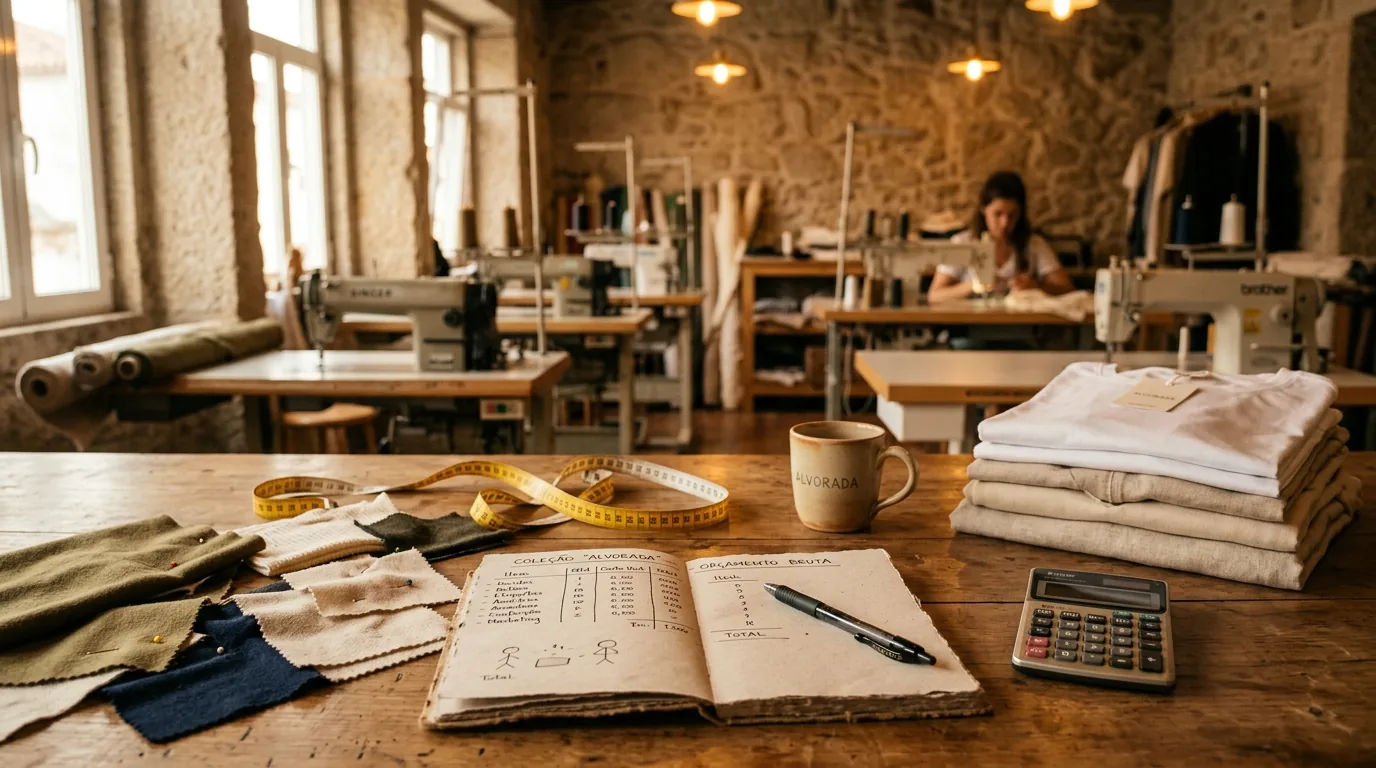
How Much Does It Cost to Start a Clothing Brand in 2026? Real Numbers
![Hoodie Manufacturing Costs: Real Prices from a Portuguese Factory [2026]](/_next/image?url=%2Fimages%2Fgenerated%2Fblog%2Fhoodie-manufacturing-costs-breakdown.webp&w=1920&q=75)
Hoodie Manufacturing Costs: Real Prices from a Portuguese Factory [2026]
![How to Find a Clothing Manufacturer in Portugal: A Factory Owner's Honest Guide [2026]](/_next/image?url=%2Fimages%2Fgenerated%2Fblog%2Fhow-to-find-clothing-manufacturer-portugal.webp&w=1920&q=75)
How to Find a Clothing Manufacturer in Portugal: A Factory Owner's Honest Guide [2026]
![How to Vet a Clothing Manufacturer: The Due Diligence Checklist [2026]](/_next/image?url=%2Fimages%2Fgenerated%2Fblog%2Fhow-to-vet-clothing-manufacturer.webp&w=1920&q=75)
How to Vet a Clothing Manufacturer: The Due Diligence Checklist [2026]
Start your collection today
Factory-direct from Barcelos, Portugal. MOQ 50 units. Get a free quote.
Request a Quote← Previous
Your First Clothing Sample: What to Expect, What It Costs & Timeline
Next →
Clothing Brand Business Plan: The Manufacturer's Perspective
Ready to start manufacturing?
MOQ 50 pieces · Free quote · Factory-direct from Portugal