Organic Cotton Manufacturing: Certifications, Costs & What Brands Need to Know
Everything about manufacturing with organic cotton. GOTS certification, cost differences, fabric performance, and how to verify your supply chain.
 Pedro Carreira··8 min read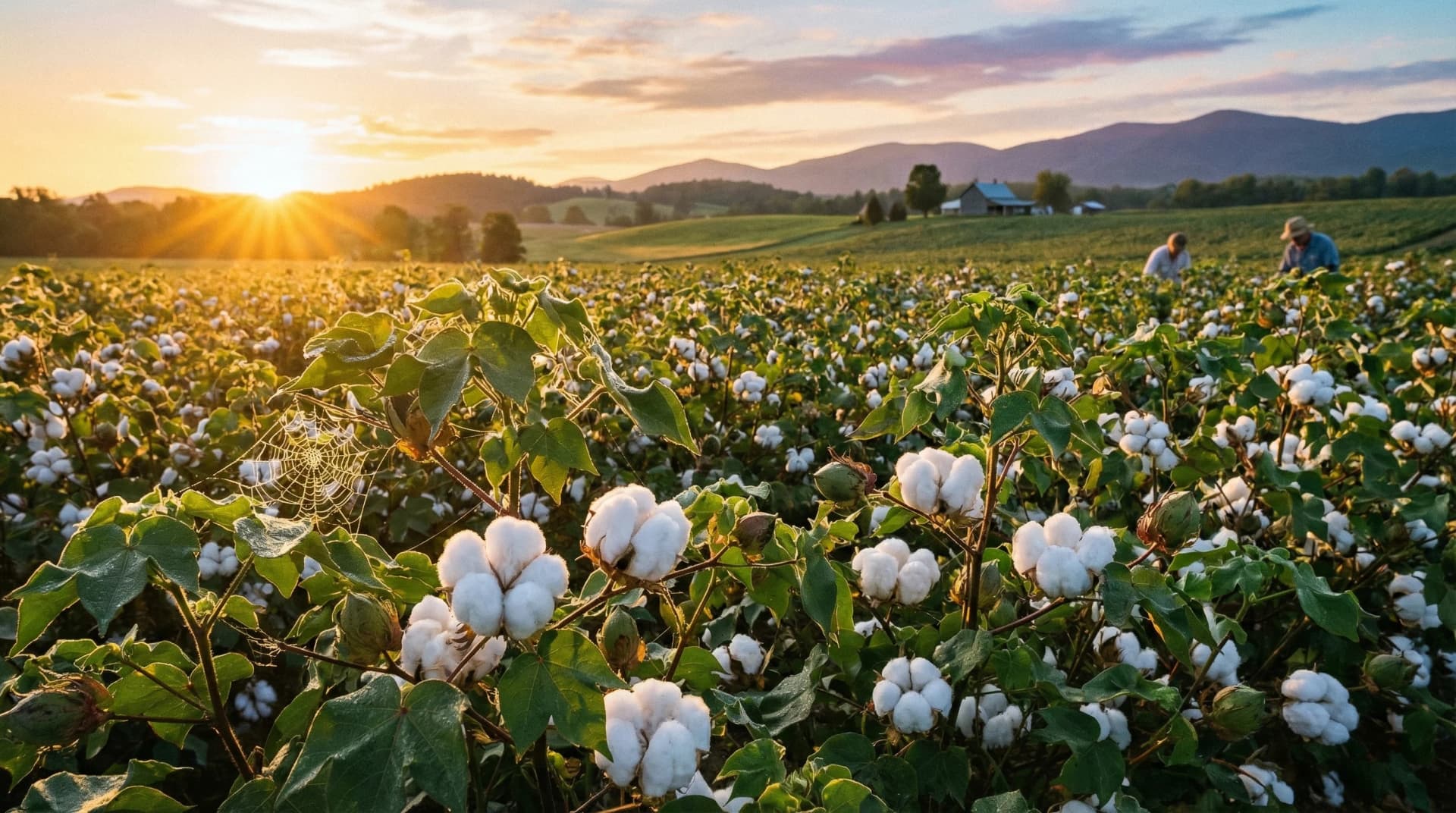
Beyond the Marketing
"Organic cotton" has become one of fashion's most used — and most misused — terms. Brands print it on labels, feature it in marketing, and use it to justify premium pricing. But what does organic cotton actually mean in a manufacturing context? What does it cost? And how do you verify that the cotton in your garments is genuinely organic?
We produce with organic cotton daily at White Cotton. This guide covers the practical reality of organic cotton manufacturing — not the marketing version.
What Organic Cotton Actually Is
Organic cotton is cotton grown without synthetic pesticides, herbicides, or fertilisers, and without genetically modified seeds. The farming practices use natural pest management, crop rotation, and composting to maintain soil health.
The difference is in the agricultural process, not in the fibre itself. Once harvested, organic and conventional cotton fibres are physically indistinguishable. The distinction is about how they were grown and — critically — whether that process is verified by a credible certification body.
This is where certifications matter.
Certifications: What They Mean
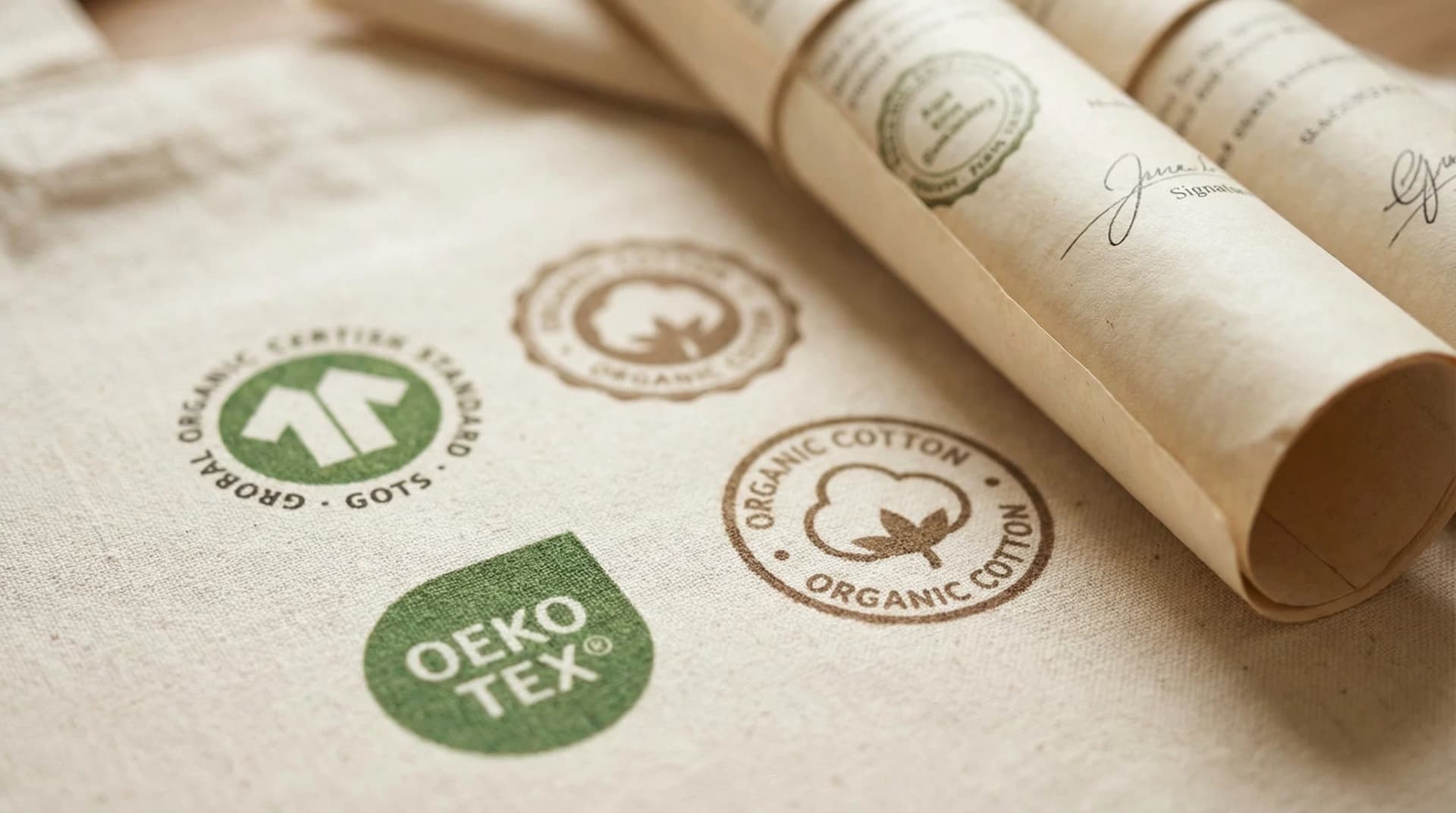
GOTS (Global Organic Textile Standard)
The gold standard for organic textiles. GOTS certifies the entire supply chain — from raw cotton to finished garment.
- —Minimum requirement: 70% certified organic fibres ("Made with Organic" label) or 95%+ organic fibres ("Organic" label)
- —Scope: Covers fibre sourcing, spinning, knitting/weaving, dyeing, finishing, and manufacturing
- —Environmental standards: Restrictions on harmful chemicals, water treatment requirements, energy use monitoring
- —Social standards: Fair wages, safe working conditions, no child labour (aligned with ILO standards)
- —Verification: Annual on-site audits by independent certifying bodies
- —Cost: Certification costs €2,000–5,000+ per year per facility, plus audit costs
GOTS is the certification that matters most. If a brand claims "GOTS-certified organic," every link in the supply chain — from the cotton farm to the sewing factory — must be individually certified.
OEKO-TEX Standard 100
Not an organic certification, but a chemical safety certification. Tests finished textiles for harmful substances.
- —What it certifies: The finished fabric/garment does not contain harmful levels of over 100 substances (heavy metals, pesticides, formaldehyde, etc.)
- —What it does NOT certify: How the cotton was grown, working conditions, or environmental practices during production
- —Relevance: Important as a baseline — ensures the garment is safe for human contact, regardless of whether the cotton is organic
At White Cotton, all our fabrics are OEKO-TEX Standard 100 certified as a minimum. GOTS organic options are available for brands that require them.
BCI (Better Cotton Initiative)
A more accessible alternative to GOTS. BCI promotes better farming practices but does not require full organic status.
- —Standard: Reduces pesticide use, improves water management, promotes fair labour — but allows limited use of synthetic inputs
- —Traceability: BCI uses a mass balance system, not physical traceability. This means BCI cotton may be mixed with conventional cotton in the supply chain
- —Perception: Viewed as a step in the right direction, but less rigorous than GOTS
- —Cost: Lower certification costs than GOTS
GRS (Global Recycled Standard)
Relevant when organic cotton is blended with recycled materials.
- —What it certifies: Recycled content (e.g., recycled polyester from PET bottles)
- —When it applies: Blended fabrics like recycled cotton + recycled polyester
- —Relevance: For brands combining organic and recycled fibres
For a comprehensive guide to all garment certifications, see our article on garment certifications.
Cost Differences
Organic cotton is more expensive than conventional cotton. Here is where the cost difference shows up:
Raw Fibre
Organic cotton fibre costs 20–50% more than conventional cotton, depending on origin, demand, and season. Organic farming yields are typically 10–20% lower, and the farming practices are more labour-intensive.
Fabric
The fabric mill passes the raw material premium through to fabric pricing:
| Fabric Type | Conventional (per metre) | Organic (per metre) | Premium |
|---|---|---|---|
| Jersey 180 GSM | €4–6 | €5–8 | +25–35% |
| French Terry 350 GSM | €7–10 | €9–13 | +25–35% |
| Brushed Fleece 400 GSM | €9–12 | €11–15 | +20–30% |
Garment
For a finished garment, the organic premium is typically 15–25% above the equivalent conventional cotton garment. On a hoodie, this might mean €3–5 more per unit.
- —Conventional cotton hoodie (350 GSM): €15–20 production cost
- —Organic cotton hoodie (350 GSM, GOTS): €18–25 production cost
Is It Worth the Premium?
For brands positioning themselves at mid-to-premium price points (retail €40+), the organic premium is modest relative to the retail price and can be fully absorbed within healthy margins. For brands selling at budget price points (retail under €20), the organic premium may squeeze margins uncomfortably.
The key question is whether your customer values organic enough to pay for it — and increasingly, the answer is yes.
Performance: Does Organic Cotton Feel Different?
Fabric Hand Feel
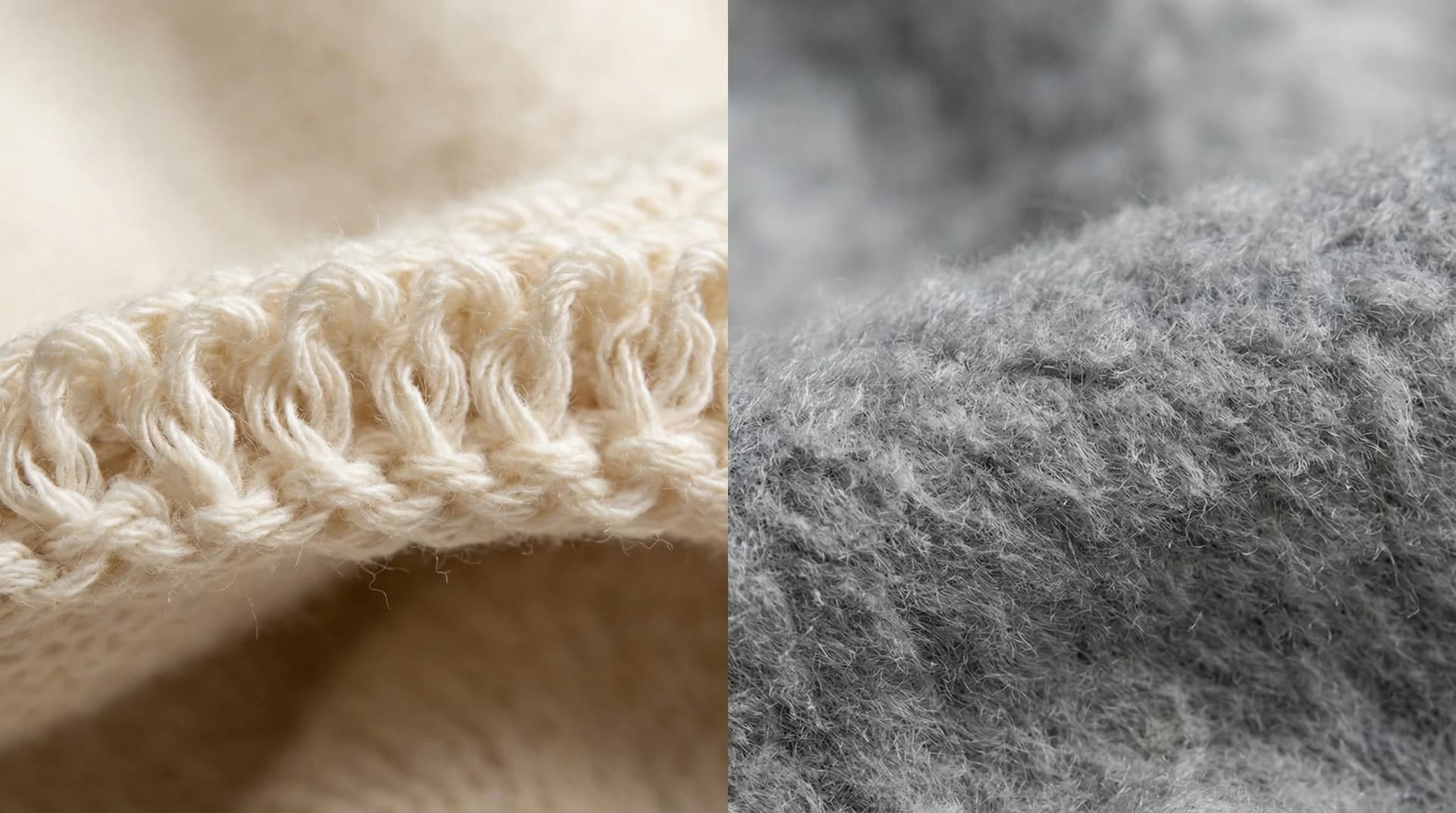
GOTS-certified organic cotton tends to feel slightly softer than conventional cotton, particularly after a few washes. This is partly because organic cotton is often processed with gentler chemicals during spinning and finishing, resulting in less fibre damage.
However, the difference is subtle. Fabric weight, weave structure, and finishing treatments (enzyme wash, peach finish) have a bigger impact on hand feel than organic vs conventional alone.
Durability
Organic cotton fibres are generally comparable to conventional cotton in terms of strength and durability. Some organic cotton is considered slightly stronger due to the absence of chemical treatments that can weaken fibres over time.
Colour Fastness
Organic cotton must be dyed with GOTS-approved dyes, which exclude certain reactive chemicals. In practice, colour fastness is equivalent to conventional cotton — modern GOTS-approved dyes perform at the same level as conventional options.
Shrinkage
Identical to conventional cotton. Shrinkage is determined by the knit structure, finishing process, and whether the fabric has been pre-shrunk — not by whether the cotton is organic.
Verifying Your Supply Chain
This is where many brands get it wrong. Claiming "organic cotton" on your label without proper verification is not just misleading — in the EU, it may soon be illegal under upcoming greenwashing regulations.
How to Verify
- 1.Ask for GOTS certification — Your factory should be able to provide a valid GOTS scope certificate (renewed annually) and transaction certificates for each order
- 2.Check the chain — GOTS certification must cover every stage: the farm, the gin, the spinner, the knitter/weaver, the dyer, and the garment manufacturer. A break at any point invalidates the chain
- 3.Verify online — GOTS maintains a public database of certified facilities at global-standard.org
- 4.Request documentation per order — For each production run, you should receive a Transaction Certificate (TC) confirming the organic status of the specific fabric used in your garments
Common Pitfalls
- —"Organic cotton" without certification — Some brands claim organic based on a supplier's verbal assurance. Without GOTS (or equivalent) certification, there is no independent verification
- —Certified fabric, uncertified factory — If the fabric is GOTS-certified but the garment factory is not, you cannot use the GOTS label on the finished product. The entire chain must be certified
- —BCI ≠ organic — BCI cotton is better than conventional, but it is not organic. Do not conflate the two in your marketing
How We Work with Organic Cotton
At White Cotton, we offer GOTS-certified organic cotton across our core fabric range:
- —Organic Cotton Jersey: 140–300 GSM
- —Organic French Terry: 280–500 GSM
- —Organic Brushed Fleece: 260–580 GSM
- —Organic Cotton Canvas: 220–480 GSM
Our factory works with GOTS-certified organic cotton sourced from certified mills, and we provide the documentation and traceability that brands need, even on low-MOQ orders from 75 pieces per colourway. We provide transaction certificates for every organic production run.
For brands that want the sustainability story without the full GOTS premium, we also offer:
- —BCI cotton options at a lower premium
- —Recycled Jersey (GRS-certified) using recycled cotton and recycled polyester
- —OEKO-TEX Standard 100 certification on all fabrics as a baseline
Making the Decision
Use organic cotton if:
- —Your brand positions itself around sustainability and transparency
- —Your retail price supports the 15–25% production premium
- —Your customers are eco-conscious and willing to pay for verified organic
- —You want the strongest possible sustainability claim on your garments
- —You are targeting markets where greenwashing regulations are tightening (EU, UK)
Use conventional cotton with OEKO-TEX if:
- —Budget is the primary constraint
- —Your retail price does not support the organic premium
- —You want chemical safety assurance without the full organic supply chain
Whatever you choose, be honest. An OEKO-TEX certified conventional cotton garment is a perfectly good product. Calling it "eco-friendly" without organic certification is where problems start.
If you want to discuss fabric options — organic, recycled, or conventional — get in touch or browse our fabric library. We will recommend what makes sense for your brand and your budget. Learn more about our clothing manufacturing in Portugal. Also see: sustainable fashion supply chain, garment certifications guide, sustainable fashion manufacturing.

Pedro Carreira
Founder of White Cotton, a textile manufacturer in Barcelos, Portugal. Producing custom clothing collections for brands across 15+ countries.
Continue Reading
Cotton vs Polyester — Which for Your Brand?
Garment Certifications Explained: GOTS, OEKO-TEX, GRS & More
![What GSM Means: Fabric Weight Chart 100–1100 GSM [2026]](/_next/image?url=%2Fimages%2Fgenerated%2Fblog%2Fgsm-fabric-weight-chart.webp&w=1920&q=75)
What GSM Means: Fabric Weight Chart 100–1100 GSM [2026]

Garment Dyeing vs Piece Dyeing: Pros, Cons & When to Use Each