GSM Fabric Weight Chart — T-Shirts, Hoodies & Sweatshirts
What does 180gsm feel like vs 300gsm vs 450gsm? Complete GSM chart by garment type with real fabric examples. Written by a factory that manufactures all of them.
 Pedro Carreira··8 min read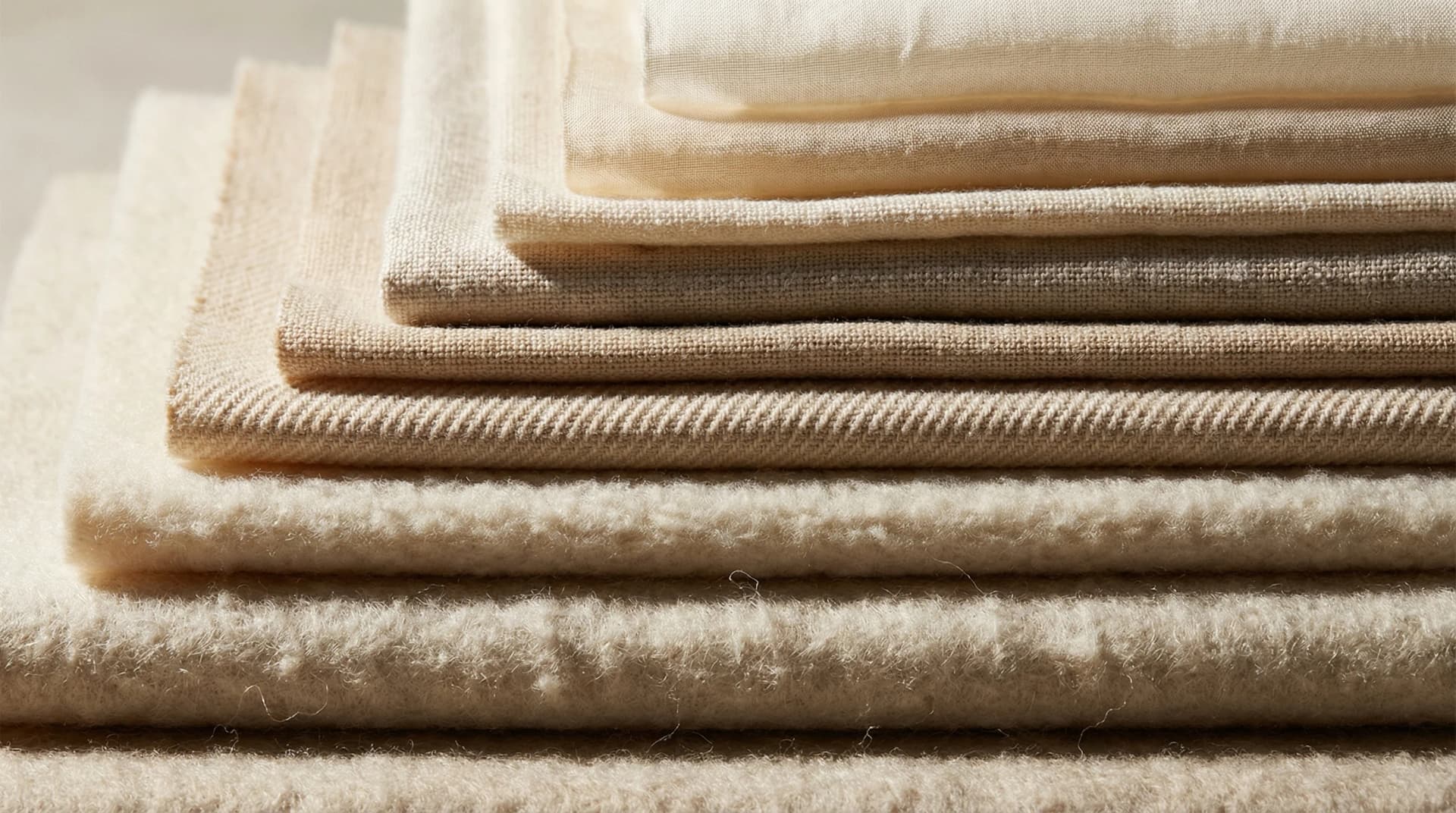
GSM Is the Number That Matters Most
When you pick up a garment, the first thing you register — before the colour, before the design, before anything else — is how it feels. That feeling is determined primarily by GSM.
GSM stands for grams per square metre — the weight of the fabric measured in a standardised square-metre sample. It is the single most important specification in garment manufacturing, and yet most brands we work with do not fully understand what the numbers mean in practice.
This guide translates GSM from an abstract number into something you can feel. Because the difference between 180 GSM and 400 GSM is not just a number — it is a completely different product.
How GSM Is Measured
A precisely cut 10cm × 10cm fabric sample is weighed on a calibrated scale. The result is multiplied by 100 to give the weight per square metre.
- —A 10cm × 10cm sample weighing 3.5 grams = 350 GSM
- —A 10cm × 10cm sample weighing 1.8 grams = 180 GSM
The measurement is standardised, repeatable, and the universal language between brands, mills, and factories. When we say "350 GSM French Terry," every professional in the supply chain knows exactly what that means.
The GSM Chart: What Each Range Feels Like
100–140 GSM: Lightweight Wovens
What it is: Cotton poplin, light shirting, voile
How it feels: Thin, crisp, cool against the skin. You can see through it when held to light. Paper-like in the lightest weights.
Products: Formal shirts, blouses, summer dresses, linings
Our fabrics in this range:
- —Cotton Poplin: 100–140 GSM
- —Cotton Oxford: 130–160 GSM
Real-world reference: Think of a well-made dress shirt. That is 110–130 GSM poplin.
140–180 GSM: Lightweight Jersey
What it is: Light cotton jersey, basic t-shirt fabric
How it feels: Soft, thin, breathable. Drapes close to the body. You can feel the air through it. Stretches easily.
Products: Basic t-shirts, tank tops, underwear, loungewear, babywear
Our fabrics in this range:
- —Organic Cotton Jersey: 140–180 GSM
- —Recycled Jersey: 160–180 GSM
- —Linen: 150–200 GSM
Real-world reference: The thin t-shirt you sleep in. Most fast-fashion tees are in this range — often at the lower end.
Brand positioning note: At 140–160 GSM, t-shirts can feel insubstantial if the cotton quality is poor. Premium brands typically start at 160 GSM minimum.
180–220 GSM: Mid-Weight Jersey
What it is: Premium t-shirt weight. The standard for quality basics.
How it feels: Substantial but not heavy. You feel the fabric when you put it on — there is real material there. Good opacity (not see-through). Comfortable stretch and recovery.
Products: Premium t-shirts, longsleeves, polo shirts, lightweight casual wear
Our fabrics in this range:
- —Organic Cotton Jersey: 180–220 GSM
- —Waffle Knit: 180–220 GSM
- —Cotton Twill: 200–220 GSM
Real-world reference: A well-made Uniqlo Supima Cotton tee is around 180 GSM. A premium DTC brand tee is typically 200+ GSM. This is the weight where "quality" becomes noticeable to the average consumer.
The sweet spot: 180–200 GSM is where most of our clients start for t-shirts. It is the minimum weight for a t-shirt that feels premium without being heavy.
220–280 GSM: Heavyweight Jersey / Light Fleece
What it is: Heavyweight t-shirts, light sweatshirting, structured jersey
Ready to manufacture your collection?
Factory-direct from Barcelos, Portugal. MOQ 50 units per style, colour and size.
Request a QuoteNo commitment · No obligation
How it feels: Real weight in your hand. Structured. Holds its shape on a hanger and on the body. Minimal drape — it sits where you place it.
Products: Heavyweight t-shirts, oversized tees, longsleeves, light crewneck sweatshirts
Our fabrics in this range:
- —Organic Cotton Jersey: 220–280 GSM (heavyweight)
- —Brushed Cotton Jersey: 250 GSM (our Brushed Cotton Tee)
- —French Terry: 280 GSM (lightweight French Terry)
- —Recycled Jersey: 220–260 GSM
Real-world reference: Our 250 GSM Brushed Cotton Tee feels almost like a thin sweatshirt. A Yeezy-style oversized tee is typically 240–280 GSM. These are the t-shirts people describe as "thick" and "quality."
Brand positioning note: The 250+ GSM t-shirt is a statement. It communicates premium without saying a word. This weight range is increasingly popular with streetwear and contemporary brands.
280–350 GSM: Standard Sweatshirt Weight
What it is: French Terry and light brushed fleece. The core weight for sweatshirts and hoodies.
How it feels: Warm, comfortable, the weight you associate with a good crewneck sweatshirt. French Terry at this weight is breathable; fleece is cosier.
Products: Standard hoodies, crewneck sweatshirts, joggers, zip-up jackets
Our fabrics in this range:
- —French Terry: 280–350 GSM
- —Brushed Fleece: 280–350 GSM
- —Polycotton Fleece: 280–350 GSM
- —Sherpa Cotton: 350 GSM
- —Cotton Canvas: 280–350 GSM
Real-world reference: A Nike Tech Fleece hoodie is approximately 300 GSM. A Carhartt WIP Chase Sweatshirt is around 320 GSM. This is the "default" weight range for casual hoodies and sweatshirts.
The standard: 300–320 GSM French Terry is the most commonly requested fabric weight for hoodies and sweatshirts. It is warm enough for three seasons, light enough for daily wear.
350–450 GSM: Heavyweight Sweatshirt / Premium
What it is: Heavyweight French Terry and brushed fleece. Where "premium" becomes tangible.
How it feels: Substantial. You feel the weight on your shoulders when you put the hoodie on. The fabric has body — it holds its shape, it does not collapse when hung. A customer picks it up in a shop and immediately registers "quality."
Products: Premium hoodies, heavyweight crewnecks, winter sweatshirts, structured joggers, outerwear
Our fabrics in this range:
- —French Terry: 350–450 GSM
- —Brushed Fleece: 350–450 GSM
- —Polycotton Fleece: 350–450 GSM
- —Sherpa Cotton: 350–400 GSM
- —Cotton Canvas: 350–450 GSM (for structured pants and jackets)
Real-world reference: A high-end streetwear hoodie (Stüssy, Aimé Leon Dore, Fear of God Essentials) is typically 380–450 GSM. This weight says "premium" without needing to explain.
Our recommendation: For brands positioning in the €50–100 retail range for hoodies, 380–420 GSM is the sweet spot. The quality is immediately apparent to the customer.
450–580 GSM: Ultra-Heavyweight
What it is: The heaviest standard fabrics. Statement pieces.
How it feels: Heavy. Dense. The garment has real presence. Picking up a 500 GSM hoodie is a different experience from picking up a 300 GSM one — the weight difference is dramatic and immediately conveys luxury.
Products: Ultra-premium hoodies, luxury crewnecks, winter outerwear, structured jackets
Our fabrics in this range:
- —French Terry: 450–500 GSM
- —Brushed Fleece: 450–580 GSM
- —Polycotton Fleece: 450–550 GSM
Real-world reference: Heavyweight Yeezy hoodies, luxury Japanese streetwear. These are garments that retail at €100–200+ and the weight is a significant part of the perceived value.
680–1100 GSM: Extreme Weight (Specialty)
What it is: Double-layered construction, extreme heavyweight. Not standard — these are engineered products.
How it feels: Like wearing a blanket. Our 1100 GSM Double-Layered Hoodie is essentially two garments bonded together. The weight is dramatic and intentional.
Products: Our Double-Layered Hoodie (1100 GSM), heavyweight designer jackets (680 GSM)
Real-world reference: There is no mainstream reference. This is specialty territory — products designed to stand apart from everything else on the market.
How GSM Affects Production
Cutting
Heavier fabrics are harder to cut — they require sharper blades and fewer layers per stack. A cutting table might handle 50 layers of 180 GSM jersey but only 20 layers of 500 GSM fleece.
Sewing
Heavier fabrics require stronger needles, higher thread tension, and slower machine speeds. The operators need more experience to handle thick fabric layers at seam intersections (where four or more layers stack up).
Printing
Lighter fabrics (under 200 GSM) can show ink bleed-through. Heavier fabrics absorb ink more evenly and provide a more stable printing surface. DTG quality improves with fabric weight up to about 300 GSM.
Cost
More GSM = more fabric per garment = more raw material cost. A 400 GSM hoodie uses roughly twice the raw cotton of a 200 GSM t-shirt, relative to surface area. Fabric cost scales approximately linearly with GSM.
Choosing the Right GSM for Your Brand
| Brand Positioning | T-Shirt GSM | Hoodie/Sweatshirt GSM |
|---|---|---|
| Budget / Promotional | 140–160 | 260–300 |
| Mid-range | 160–200 | 300–350 |
| Premium | 200–250 | 350–420 |
| Luxury / Streetwear | 250–280 | 420–580 |
The right GSM is not the heaviest — it is the one that matches your brand's positioning, your price point, and your customer's expectations.
For a deeper dive into fabric types across all these weights, read our guide to fabric weights or browse our fabric library. For product-specific guidance: custom hoodie manufacturing, t-shirt manufacturing, sweatshirt production, and joggers manufacturing.
At White Cotton, we stock fabrics from 100 GSM poplin to 580 GSM brushed fleece — and our signature 1100 GSM Double-Layered Hoodie for brands that want something nobody else has. Request fabric swatches to feel the difference yourself, or learn more about our clothing manufacturing in Portugal.

Pedro Carreira
Founder of White Cotton, a textile manufacturer in Barcelos, Portugal. Producing custom clothing collections for brands across 15+ countries.
Continue Reading
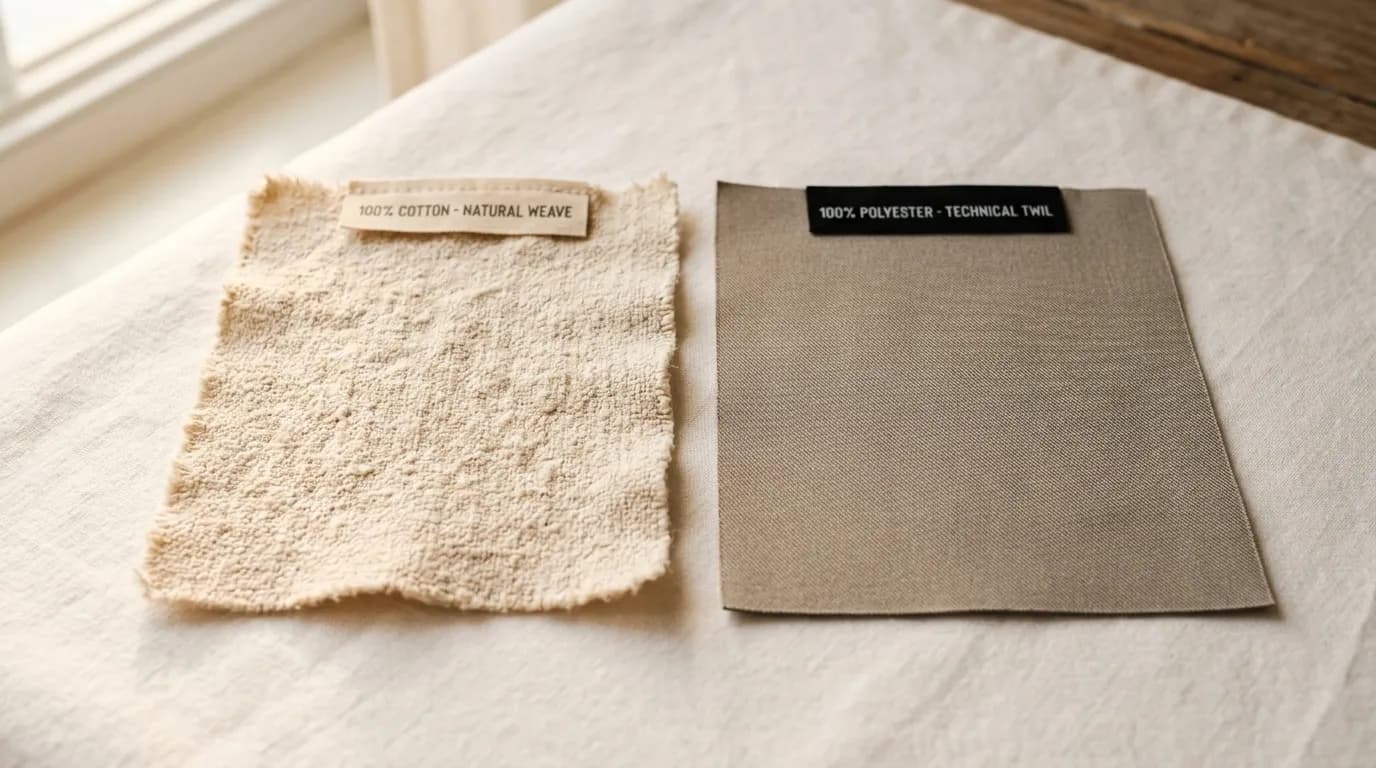
Cotton vs Polyester: Which Fabric Is Right for Your Clothing Brand?

Garment Dyeing vs Piece Dyeing: Pros, Cons & When to Use Each

Organic Cotton Manufacturing: Certifications, Costs & What Brands Need to Know
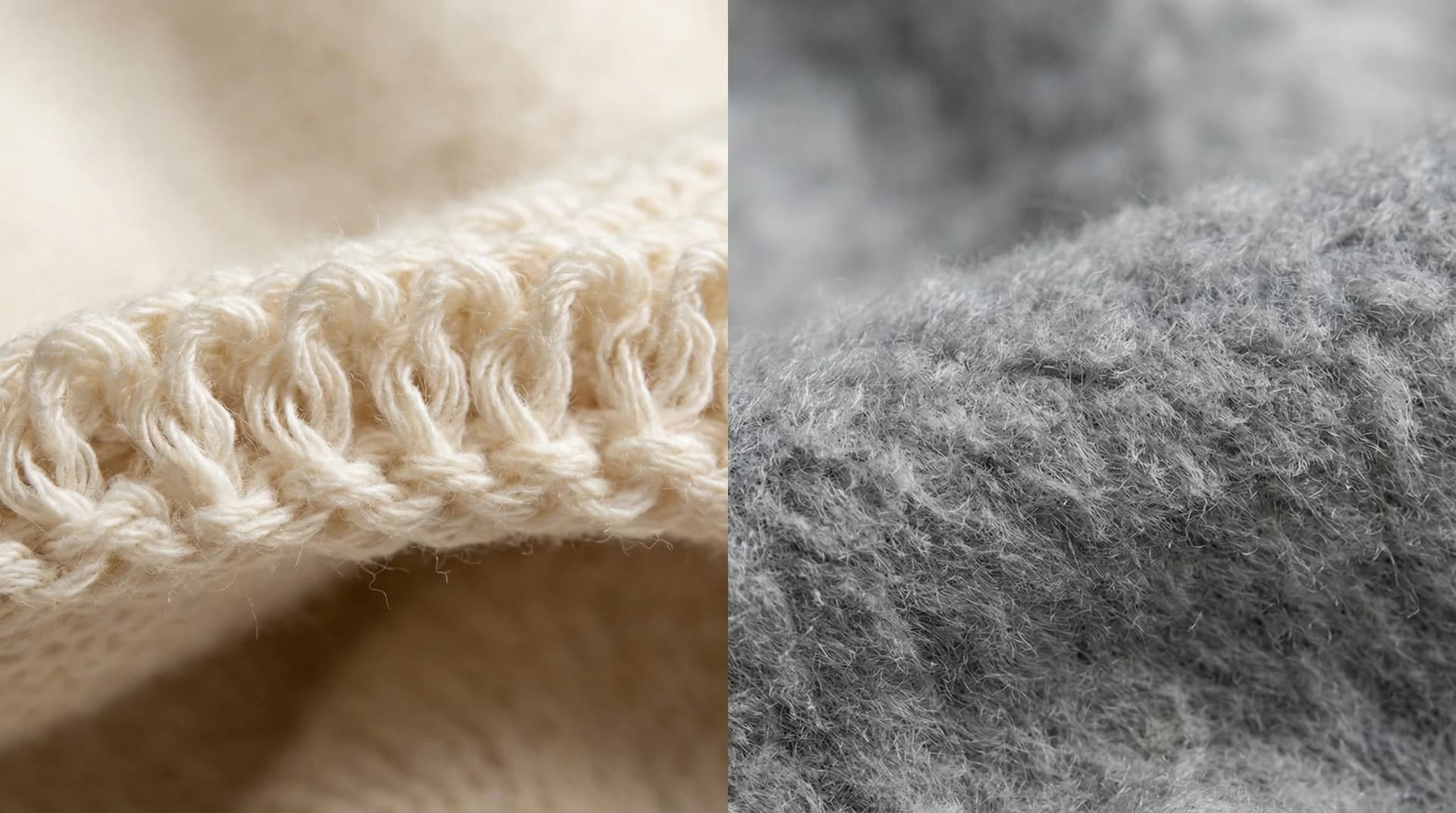
French Terry vs Fleece: Which Fabric for Your Hoodies & Sweatshirts?
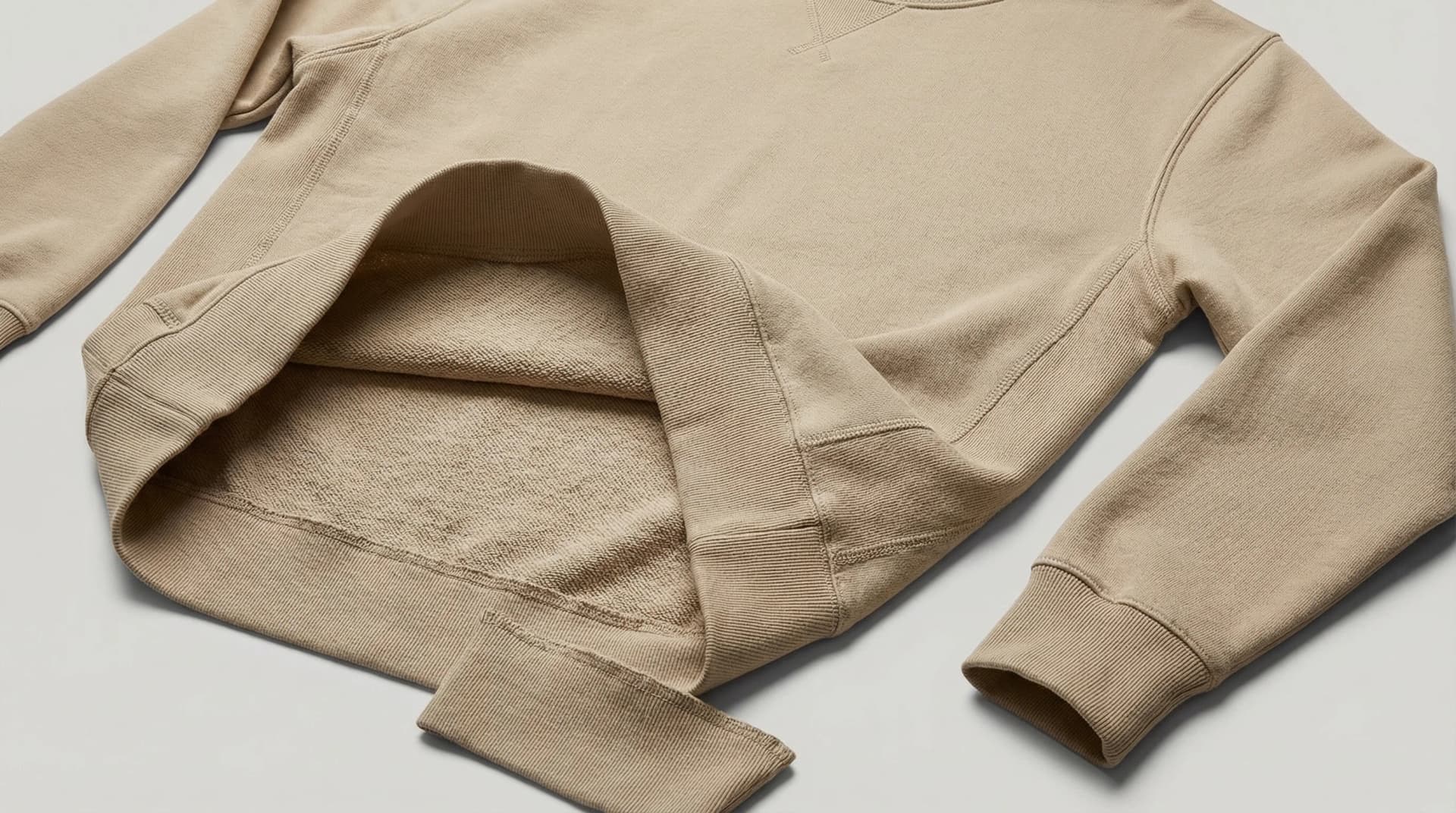
Sweatshirt Production: Fabrics, Construction & What to Ask Your Factory
Start your collection today
Factory-direct from Barcelos, Portugal. MOQ 50 units. Get a free quote.
Request a Quote← Previous
Screen Printing vs DTG vs Embroidery: Choosing the Right Decoration Method
Next →
Clothing Production Timeline: From Design to Delivery (Realistic)
Ready to start manufacturing?
MOQ 50 pieces · Free quote · Factory-direct from Portugal